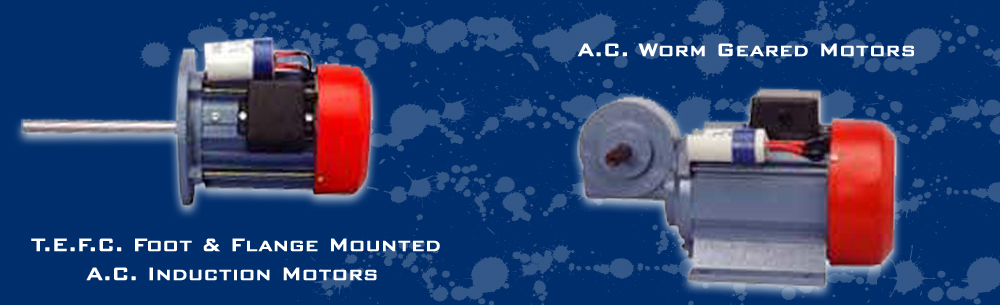
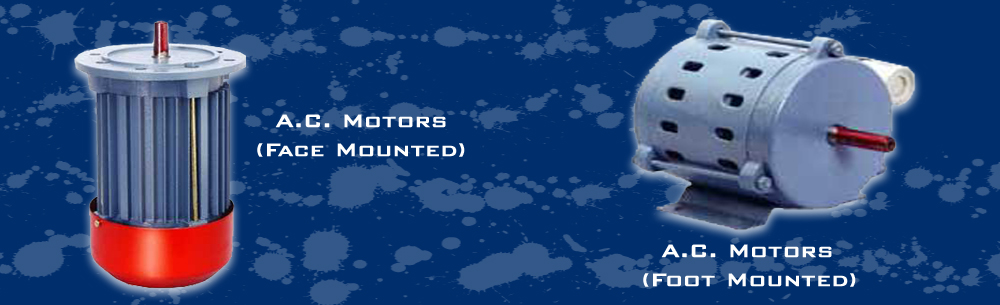
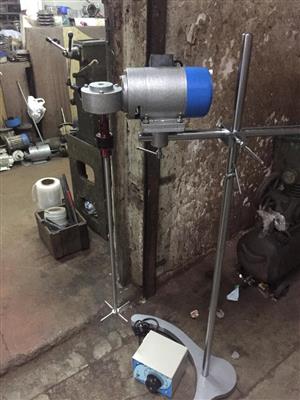
An AC and DC geared stirrer is a mixing device that combines an electric motor with a reduction gearbox to deliver controlled, low-speed, high-torque rotation for stirring, mixing, blending, and agitation. The gearbox reduces the motor speed while increasing torque, making it suitable for handling liquids of varying viscosities.
AC Geared Stirrers
AC geared stirrers are powered by single-phase or three-phase AC motors and are commonly used in continuous industrial processes.
Features
- Constant-speed operation (speed can be varied with a variable frequency drive, if required)
- High torque at low speeds
- Suitable for continuous-duty applications
- Rugged and low-maintenance design
Typical applications
- Chemical processing
- Water and wastewater treatment
- Paint and coating manufacturing
- Food and beverage mixing
- Pharmaceutical production
DC Geared Stirrers
DC geared stirrers use DC gear motors, offering precise speed control over a wide range.
Features
- Variable speed control
- Smooth starting and stopping
- High torque at low speeds
- Ideal for laboratory, pilot-scale, and battery-powered applications
Typical applications
- Laboratory mixing
- Research and development
- Small-scale chemical processing
- Cosmetic manufacturing
- Adhesive and resin preparation
Typical specifications
- Motor power: 25 W to 5 HP (or higher for industrial applications)
- Output speed: 10–500 RPM
- Gear ratios: 5:1 to 300:1 or more
- Torque: Selected according to the viscosity of the material and tank size
- Mounting options: Top-mounted, side-mounted, or portable
- Impeller types: Propeller, paddle, turbine, anchor, or high-shear impellers
Advantages
- High torque for effective mixing
- Controlled stirring speed
- Energy-efficient operation
- Reliable and durable performance
- Suitable for a wide range of liquid viscosities
- Available in corrosion-resistant materials for harsh environments
Selection considerations
Choose an AC or DC geared stirrer based on:
- Tank size and capacity
- Liquid viscosity
- Required mixing speed (RPM)
- Required torque
- Power supply (AC or DC)
- Duty cycle (continuous or intermittent)
- Shaft length and impeller design
- Operating environment (temperature, corrosive chemicals, hygienic requirements)