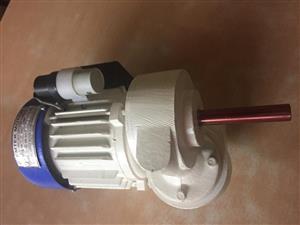
A double reduction gear motor is an electric motor coupled with a gearbox that reduces speed in two stages (two gear reductions). Compared with a single reduction gearbox, it provides much lower output speed and significantly higher output torque.
How it works
- Stage 1: The motor drives the first gear set, reducing speed.
- Stage 2: The output of the first stage drives a second gear set, reducing speed further.
- The final output shaft rotates much more slowly but delivers greater torque.
Typical specifications
- Power: 0.18 kW to 30 kW (or more)
- Output speed: Around 5–300 RPM, depending on the gear ratio
- Gear ratios: Typically 25:1 up to 900:1 or higher
- Motor types:
- Three-phase induction motors
- Single-phase motors
- DC motors (for specific applications)
Advantages
- High torque at low speeds
- Compact design compared to achieving the same reduction with a single large gear set
- Smooth and reliable operation
- Good efficiency
- Long service life with proper lubrication
Common applications
- Conveyor systems
- Material handling equipment
- Mixers and agitators
- Packaging machinery
- Cranes and hoists
- Textile machinery
- Food processing equipment
- Industrial automation
Example
Suppose a motor runs at 1440 RPM with a 60:1 double reduction gearbox:
- Output speed: 1440 ÷ 60 = 24 RPM
- Output torque: Approximately 60 times the motor torque (minus gearbox losses)
Common gearbox configurations
- Helical double reduction
- Worm double reduction
- Helical-worm combination
- Parallel shaft double reduction
- Shaft-mounted double reduction
If you're selecting a double reduction gear motor, the key inputs are:
- Required output RPM
- Required output torque
- Motor power (kW or HP)
- Supply voltage (single-phase or three-phase)
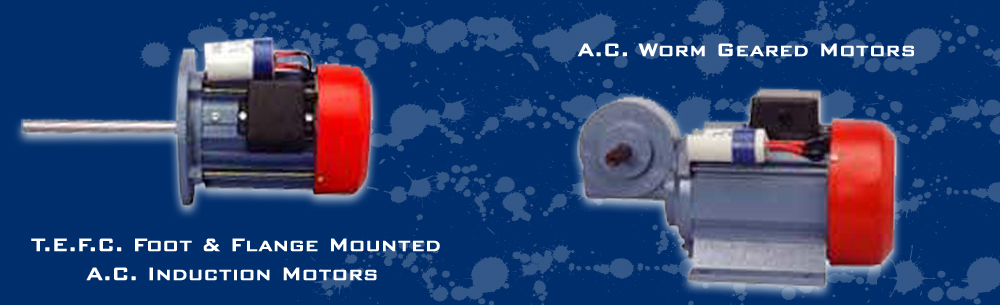
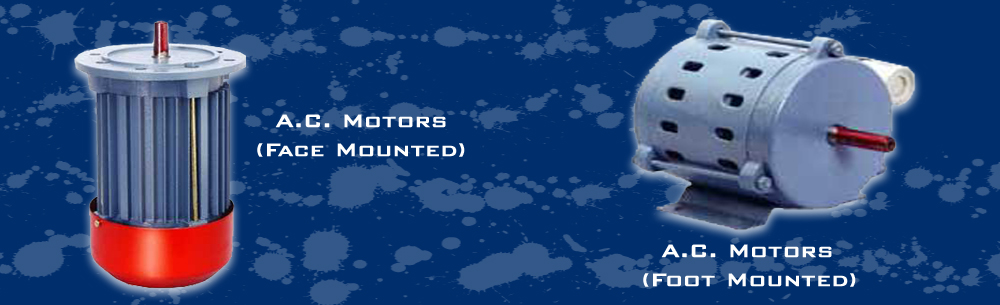
- Mounting type (foot-mounted, flange-mounted, etc.)
- Duty cycle and operating environment